Concrete pumping is one of the most useful methods available for placing ready mix concrete on a construction site. Instead of moving concrete by hand or wheelbarrow, a pump pushes it through a sealed pipeline to deliver it precisely where it is needed. Whether you are pouring a house foundation, a basement slab, or a large commercial floor, understanding how pumping works can help you plan better, stay safe, and control costs.
What Is Concrete Pumping and When Is It Used?
A concrete pump moves fresh concrete from the ready mix truck through a pipeline to the exact spot on site. There are two main types.
Boom pumps are truck-mounted with a folding arm that reaches over walls, fences, and buildings. They suit restricted or elevated sites and can typically place around 30 cubic metres per hour, reaching up to 60 metres vertically or 300 metres horizontally.
Line pumps use flexible hoses laid across the site and are better suited to ground-level pours, floor screeds, and narrower access routes.
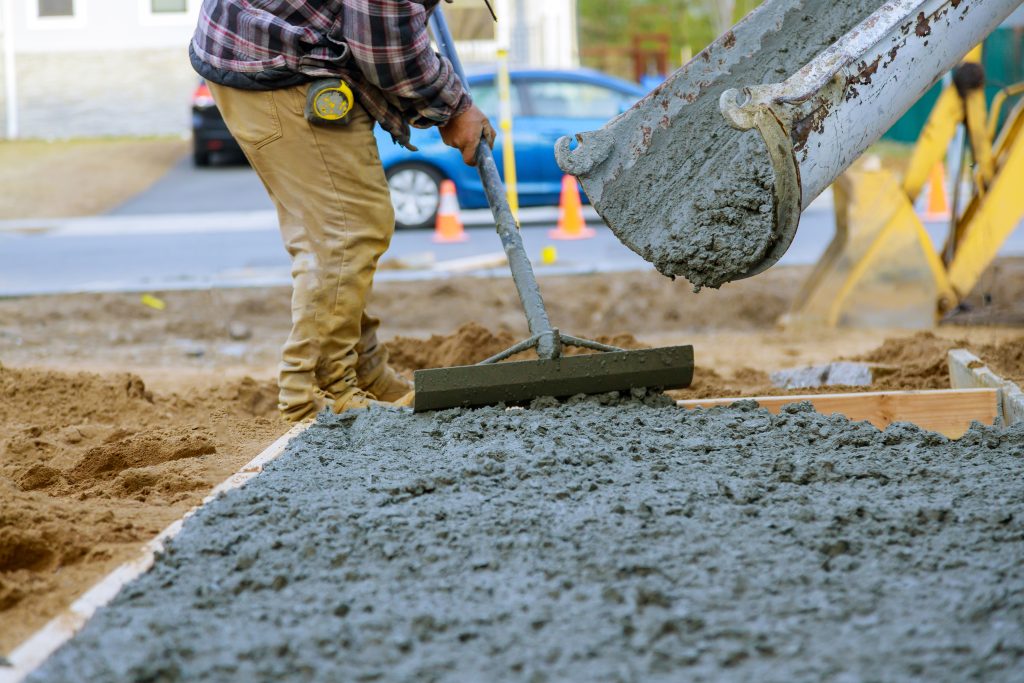
Pumping is commonly used for high-rise buildings, deep basements, sites with limited space, and large-area slabs where continuous placement matters. For small domestic jobs with easy truck access, a direct chute pour is often simpler and cheaper.
The Advantages of Using a Concrete Pump
Speed and efficiency. Pumping delivers concrete directly to the pour location without repeated barrow trips. This speeds up the workflow, keeps placement consistent, and frees cranes and hoists for other tasks — all of which matters on large pours where timing is critical.
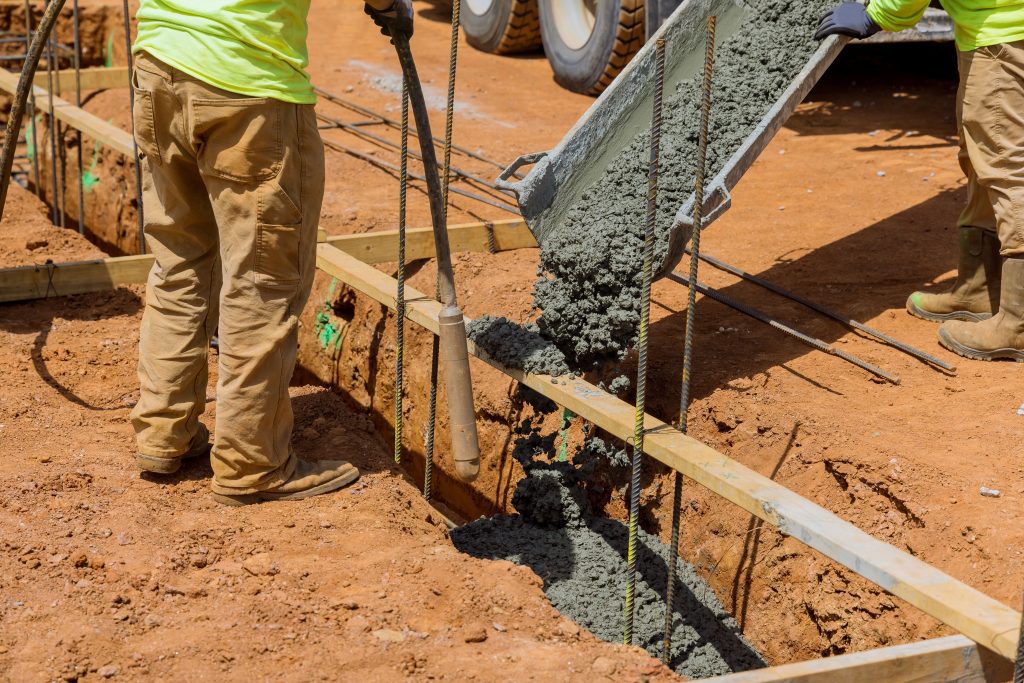
Precision placement. Pumped concrete flows to exactly where it is needed, reducing spillage and making it easier to fill complex shapes, confined spaces, or areas with reinforced steel in the way.
Better concrete quality. The sealed pipeline protects the mix from contamination by debris, water, and weather. The concrete arrives in the same condition it left the plant, which is important for structural pours where strength cannot be compromised.
Fewer workers and less waste. A pump replaces a large manual-handling team, cutting labour costs and reducing fatigue-related errors. Precise delivery also means you only use what you need. Use our concrete volume calculator to estimate the right quantity before you order.
Pumping vs Direct Pour: Which Should You Choose?
| Factor | Concrete Pumping | Direct Pour (Chute) |
|---|---|---|
| Access | Works in restricted or elevated areas | Needs truck close to pour point |
| Volume | Suited to medium and large pours | Best for small volumes |
| Labour | Fewer workers needed | More manual handling required |
| Cost | Higher upfront hire cost | Lower initial cost |
| Precision | Very precise placement | Less control over exact point |
| Waste | Minimal | Risk of spillage in awkward spots |
Pumping becomes the better choice when the site has restricted access, the pour is above or below ground level, large volumes need to be placed quickly, or reinforced steel is in the way. For larger or more complex projects, our guide to commercial grade concrete for large-scale pours in London covers the wider considerations for high-volume work.
Safety Measures for Concrete Pumping Operations
Concrete pumping involves heavy equipment and pressurised pipelines. Safety must be actively planned and managed throughout. As the Concrete Society’s guidance on pumping concrete makes clear, pipelines are often under considerable pressure, and the pump should always be stopped before any pipes are disconnected.
Pre-operation checks. Confirm the pump is on level, stable ground away from power lines. Extend and lock all outriggers. Check that hydraulic connections are secure, the boom’s range of motion is clear, and safe walkways are marked for all personnel.
Equipment maintenance. Before each use, inspect hoses, seals, couplings, and hydraulic fluid levels. Check pressure relief valves and emergency shut-offs. Keep a maintenance log and arrange periodic professional inspections to catch issues that daily checks might miss.
Operator training. All pump operators should hold recognised certification and have completed training covering equipment operation, hazard recognition, emergency procedures, and load limits. For a broader look at working safely with ready mix concrete, see our article on safety measures for ready mix concrete.
PPE. All workers in the pumping area should wear a hard hat, safety glasses or face shield, high-visibility vest, steel-toe boots with non-slip soles, and gloves. Concrete is caustic and can damage skin quickly on contact.
Communication. Assign a dedicated spotter to monitor the operation and relay instructions. Use two-way radios or headsets so signals are clear. Ensure adequate lighting for low-light pours.
Emergency planning. Every operation should have a written emergency plan known to all personnel. Run drills in advance, keep first aid kits and fire extinguishers accessible, and assign clear roles for who calls emergency services and who manages evacuations.
Cost Considerations for Concrete Pumping
Pumping costs more than a chute pour, but the additional spend is often recovered through savings elsewhere.
Boom pumps cost more to hire than line pumps because of their extended reach. Check whether delivery, setup, fuel, and collection are included or charged separately. Skilled operators command higher day rates but save money overall by avoiding blockages, delays, and rework. Distance from the pump depot affects transportation cost, as does how long the pump needs to be on hire.
Not all mixes are suitable for pumping. The concrete must be cohesive with the right consistency (slump) to flow through the pipeline without segregating. Always discuss mix requirements with your supplier before booking a pump.
Demand rises in spring and summer, which can push availability and rates up. Booking early gives you more control over cost and scheduling.
For medium and large jobs, the efficiency gains from pumping — fewer workers, less waste, faster placement — typically outweigh the additional hire cost.
Summary
Concrete pumping is a fast, precise, and versatile method of placing concrete on almost any project. It reduces manual handling, protects mix quality, and makes difficult sites manageable. Safe operation depends on good site preparation, well-maintained equipment, trained operators, and clear communication. Used correctly, pumping is one of the most reliable tools available for getting concrete exactly where it needs to go.
To find out whether pumping is the right choice for your project, or to get a quote for ready mix concrete in London, contact our team today.