London’s property landscape varies dramatically from borough to borough, and so do the improvement projects homeowners undertake. The leafy suburban streets of Edgware present different opportunities than the Victorian terraces of Hackney or the mixed housing stock of Lewisham. Yet across all three areas, summer brings a surge in renovation activity—and concrete sits at the foundation of countless upgrades.
Whether you’re extending a family home, converting a garage, or transforming a garden, understanding which concrete solutions suit your specific project helps ensure lasting results. Here’s what property owners across these distinct London neighbourhoods need to know.
Edgware: Space and Suburban Ambition
Edgware’s generous plot sizes and predominantly residential character make it prime territory for substantial home improvements. The detached and semi-detached houses common throughout the area often sit on plots with genuine expansion potential—rear gardens large enough for meaningful extensions, driveways capable of accommodating additional parking, and side returns waiting to be developed.
Rear and side extensions remain the most popular structural projects in the area. With house prices making moving expensive and disruptive, extending existing properties offers families the space they need without leaving established neighbourhoods. These projects typically require C25 or C30 concrete for foundations, specified to meet building regulations and cope with London’s clay-heavy soil conditions.
The clay subsoils common across much of Edgware deserve particular attention. Clay shrinks and swells with moisture changes, creating ground movement that can crack inadequate foundations. Deeper strip foundations or engineered raft foundations—both requiring specific concrete specifications—address this challenge. Your structural engineer will specify requirements, but expect foundation depths of 1 metre or more in areas with significant tree cover.
Garage conversions offer another popular route to additional living space. Converting an integral or attached garage typically involves laying an insulated floor slab to bring the level up to match existing rooms and provide adequate thermal performance. A C20 mix generally suits this application, placed over appropriate insulation and damp-proof membrane.
Driveway improvements feature prominently in Edgware’s suburban setting. The area’s car-dependent character means adequate off-street parking adds genuine value. Whether you’re replacing a tired tarmac drive with an exposed aggregate finish or extending parking capacity, the right concrete specification ensures your driveway handles vehicle loads without cracking or settlement. C30 or C35 mixes suit domestic driveways, with fibre reinforcement an option for additional crack resistance.
Hackney: Victorian Character and Creative Solutions
Hackney’s property stock tells a different story. Victorian and Edwardian terraces dominate many streets, interspersed with post-war estates and contemporary developments. The borough’s creative reputation extends to how residents approach their homes—expect imaginative solutions that work within the constraints of period properties and compact urban plots.
Basement conversions have transformed Hackney’s housing market over recent decades. Where gardens are small and upward extension limited by planning constraints, digging down creates valuable additional space. Basement construction demands the highest concrete specifications—C35 or C40 mixes are typical, often requiring waterproof concrete or tanking systems to manage groundwater.
The complexity and cost of basement work means most projects use specialist contractors, but understanding the concrete requirements helps you engage sensibly with quotes and specifications. Basement slabs, retaining walls, and waterproofing details all require precise execution with quality materials.
Rear extensions on Victorian terraces follow familiar patterns—the side return extension that brings the kitchen into what was wasted space alongside the original back addition. These projects work within tight access constraints, which affects how concrete arrives on site. Narrow side passages, restricted parking, and limited storage space all influence logistics.
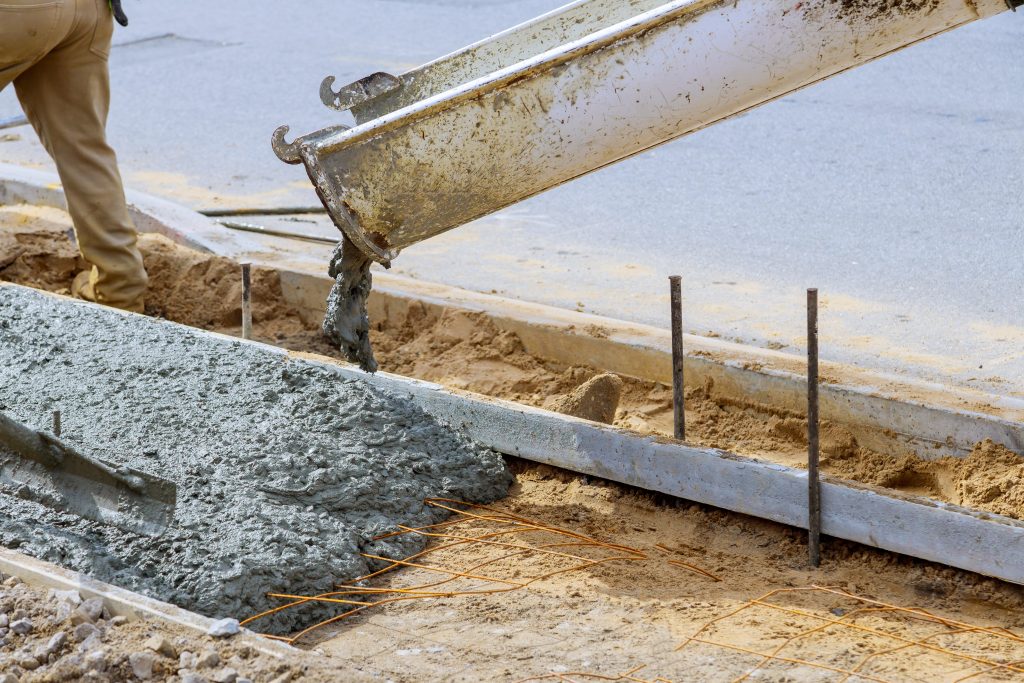
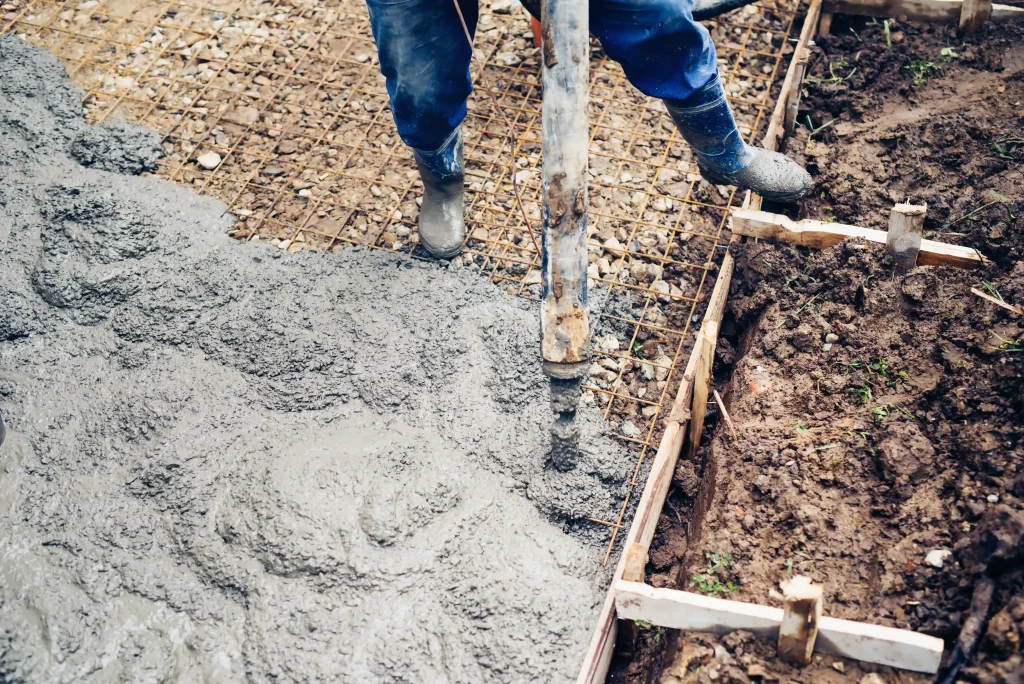
Concrete Hackney projects often require pumped delivery, where material is transferred from the mixer truck through flexible pipes to reach rear gardens inaccessible to direct discharge. This adds cost but solves access problems that would otherwise make professional concrete supply impossible. The alternative—wheelbarrowing countless loads through the house—is neither practical nor appealing.
Garden studios and outbuildings suit Hackney’s work-from-home culture and creative industries. A properly founded garden office adds functional space and potential rental income without the disruption of a full extension. Ground-bearing slabs using C20 or C25 concrete provide the stable base these structures need, with edge thickening or mini strip foundations for larger buildings.
Landscaping and garden redesign transforms the compact outdoor spaces typical of terraced properties. Raised planters, retaining walls, and paved areas all benefit from concrete construction. The smaller volumes involved suit mini mix deliveries that navigate Hackney’s busy streets and squeeze into limited parking spaces.
Get Your Quick Quote Today
Lewisham: Diversity and Opportunity
Lewisham’s housing mix spans Victorian terraces, inter-war semis, post-war estates, and substantial new-build developments. This diversity means property improvement projects vary enormously in scale and character. What unites them is the borough’s ongoing regeneration and the value well-executed improvements add to properties across the area.
Extension projects in Lewisham range from modest rear additions to substantial two-storey builds. The area’s relatively affordable property prices (by London standards) attract buyers willing to invest in improvements, and planning policies generally support sensible extensions that respect existing streetscapes.
Foundation requirements depend on existing ground conditions, which vary across the borough. Areas closer to the Thames have different soil profiles than the higher ground toward Crystal Palace. Site investigation determines appropriate foundation design, with concrete specifications following from engineering requirements.
New-build garden rooms have proliferated across Lewisham as remote working becomes permanent for many residents. Unlike temporary structures, properly constructed garden buildings with concrete foundations represent lasting additions to properties. A well-designed garden office on a solid concrete base adds functional value now and appeals to future buyers later.
Driveway and hardstanding projects suit the suburban character of many Lewisham streets. Front garden conversions for off-street parking require permeable surfaces or appropriate drainage under planning rules—consider permeable concrete or designs that incorporate drainage channels to comply with regulations.
Community and multi-occupancy projects reflect Lewisham’s diverse tenure patterns. Improvements to shared spaces, bin stores, and access areas often involve concrete work. These projects benefit from professional supply that delivers consistent quality and reliable scheduling—coordinating work affecting multiple households demands punctual delivery.
Matching Concrete to Your Project
Different applications demand different specifications. Using the right mix ensures performance; using the wrong one wastes money or creates problems.
Foundations for extensions and structural additions typically require C25 to C30 concrete, depending on ground conditions and engineering requirements. Building control specifies minimum standards; your structural engineer may specify higher grades for challenging sites. Foundation concrete doesn’t need a fancy finish—it’s covered up—but it absolutely needs adequate strength and durability.
Floor slabs for habitable spaces generally use C25 concrete, often with steel mesh reinforcement and placed over insulation. The finish depends on final floor coverings—a polished concrete floor needs different treatment than a slab receiving tiles or carpet.
Driveways and hardstanding exposed to vehicle traffic need C30 or stronger mixes to resist surface wear and load stress. Fibre reinforcement reduces crack risk, while air-entrained mixes improve freeze-thaw resistance—worth considering for exposed surfaces that face winter weather.
Landscaping applications—planters, garden walls, steps—generally suit C20 mixes. These elements face less structural demand than foundations or driveways, and over-specifying wastes money without adding practical benefit.
Specialist applications like basement construction, swimming pools, or water-retaining structures need specific mix designs incorporating waterproofing admixtures or particular aggregate specifications. These projects warrant detailed discussions with your concrete supplier to ensure the material matches the engineering requirements.
Summer Delivery: Speed and Reliability When It Matters
The summer months concentrate construction activity across London. Longer days extend working hours, settled weather reduces delays, and warm temperatures create ideal curing conditions. This makes summer the season to tackle concrete projects—but it also means demand peaks across the industry.
Reliable scheduling matters more during busy periods. Concrete suppliers London contractors trust maintain delivery capacity through summer peaks, honouring booking slots and communicating promptly about any changes. A supplier who leaves you waiting on site—your team idle, your programme slipping—costs more in lost time than any saving on material price.
Consistent mix quality becomes particularly valuable in warm weather. Higher temperatures accelerate curing, leaving less margin for error if concrete arrives with variable properties. Professional batching under controlled conditions delivers the reliability you need, with every load matching specification regardless of season.
Fast turnaround from enquiry to delivery keeps projects moving. When your programme identifies a window for foundation work, you need concrete available within that window. Suppliers with adequate fleet capacity and efficient scheduling turn around orders quickly rather than pushing you into slots that don’t suit your timeline.
Local Knowledge, London Coverage
Express Concrete supplies ready mix across London, from Edgware’s suburban streets to Hackney’s urban terraces and Lewisham’s diverse neighbourhoods. Our fleet includes vehicles suited to different access situations—from standard mixers for straightforward sites to compact vehicles that reach properties where space is tight.
Whether you’re planning a major extension, a garden transformation, or a weekend DIY project, the right concrete specification and reliable delivery underpin your success. We’ve supplied projects across all three boroughs and understand the particular challenges each area presents.
Planning a summer property upgrade in Edgware, Hackney, or Lewisham? Contact Express Concrete to discuss your project requirements. Our team can advise on specifications, calculate quantities, and schedule delivery to match your programme. Get in touch for a no-obligation quote and let’s get your project started.