London’s summer weather brings ideal conditions for outdoor construction work—until it doesn’t. When temperatures climb and the sun beats down on freshly poured concrete, the risk of cracking increases significantly. Those unsightly surface cracks that appear within hours or days of pouring aren’t just cosmetic concerns. They can compromise structural integrity, allow water ingress, and turn what should be a lasting installation into a maintenance headache.
Understanding why hot weather causes problems is the first step toward preventing them. With the right preparation, timing, and materials, you can pour concrete successfully even during the warmest months. Here’s what you need to know.
Why Hot Weather Causes Concrete to Crack
Concrete doesn’t simply dry—it cures through a chemical reaction called hydration. Water in the mix reacts with cement particles, creating the hard crystalline structure that gives concrete its strength. This process needs moisture, and anything that removes water too quickly disrupts the reaction.
Hot weather attacks from multiple angles. High air temperatures accelerate evaporation from the concrete surface. Direct sunlight adds radiant heat that further speeds moisture loss. Wind—even a gentle breeze—strips away the thin layer of humid air above the surface and replaces it with drier air, dramatically increasing evaporation rates. Hot ground absorbs moisture from the bottom of the pour while the sun pulls it from the top.
When the surface loses moisture faster than it can be replaced from below, the top layer shrinks while the underlying concrete remains stable. This differential shrinkage creates tensile stress, and since concrete is weak in tension, the surface cracks to relieve that stress. These plastic shrinkage cracks typically appear within the first few hours, often while the concrete is still workable.
The problem compounds because rapid moisture loss also weakens the cured surface. The incomplete hydration at the top creates a softer, more porous layer prone to dusting and wear. You end up with concrete that looks damaged and performs poorly, even if the bulk of the pour achieved adequate strength.
Timing Your Pour for Success
The simplest crack prevention strategy costs nothing: choose when you pour carefully.
Early morning starts make sense during hot spells. Concrete placed before 10am benefits from cooler air and ground temperatures, lower evaporation rates, and several hours of initial curing before peak afternoon heat arrives. The critical first few hours—when plastic shrinkage cracks form—occur under more forgiving conditions.
Late afternoon pours offer similar advantages, though you’ll need adequate daylight to complete finishing operations. Pouring after 4pm means the concrete faces overnight temperatures that are gentler than midday sun, with morning dew potentially aiding surface moisture retention.
Avoid pouring during the hottest part of the day whenever possible. Between noon and 3pm, when temperatures peak and solar radiation is strongest, you’re fighting conditions that actively work against successful curing. If project schedules demand midday pours, compensating measures become essential rather than optional.
Weather monitoring matters more than many contractors acknowledge. A forecast of 25°C with light winds presents different challenges than 25°C with strong gusts. Cloud cover significantly reduces solar heating even when air temperatures remain high. Planning your pour around favourable windows within an otherwise hot week often proves more effective than trying to overcome hostile conditions through technique alone.
Preparing the Site and Subgrade
Hot weather preparation starts before the mixer arrives. The ground or subbase onto which you’re pouring plays a significant role in moisture dynamics.
Dry, sun-baked ground acts like a sponge, pulling moisture from fresh concrete through capillary action. Before pouring, dampen the subgrade thoroughly. You want it wet but not puddled—standing water creates its own problems by increasing the water-cement ratio at the bottom of the pour.
Formwork absorbs moisture too, particularly timber forms that have sat in the sun. Wet the forms before placing concrete, especially older boards that have become porous through repeated use.
If practical, shade the pour area. This might mean erecting temporary screens, positioning vehicles strategically, or timing the work so adjacent buildings cast shadows across the site. Reducing direct solar radiation onto fresh concrete makes a measurable difference to surface temperature and evaporation rate.
Have all your equipment ready before the concrete arrives. Delays between discharge and placement extend the time concrete sits exposed to evaporation. Screeds, floats, trowels, and curing materials should be laid out and accessible. Extra hands for larger pours mean faster placement and finishing.
Managing the Mix and Placement
The concrete itself can be optimised for hot weather performance, and this is where working with an established ready mix concrete London supplier proves valuable.
Professional batching plants can adjust mix designs for summer conditions. Retarding admixtures slow the hydration reaction, extending working time and reducing the risk of the concrete setting before you’ve finished placing and finishing it. This isn’t something you can easily achieve when mixing on-site from bags.
Some suppliers cool their materials during extreme heat. Chilled mixing water, aggregate stored in shade, or even ice added to the mix all reduce initial concrete temperature. Cooler concrete has slower evaporation, longer working time, and less thermal stress during curing. These measures aren’t available to anyone mixing in their back garden.
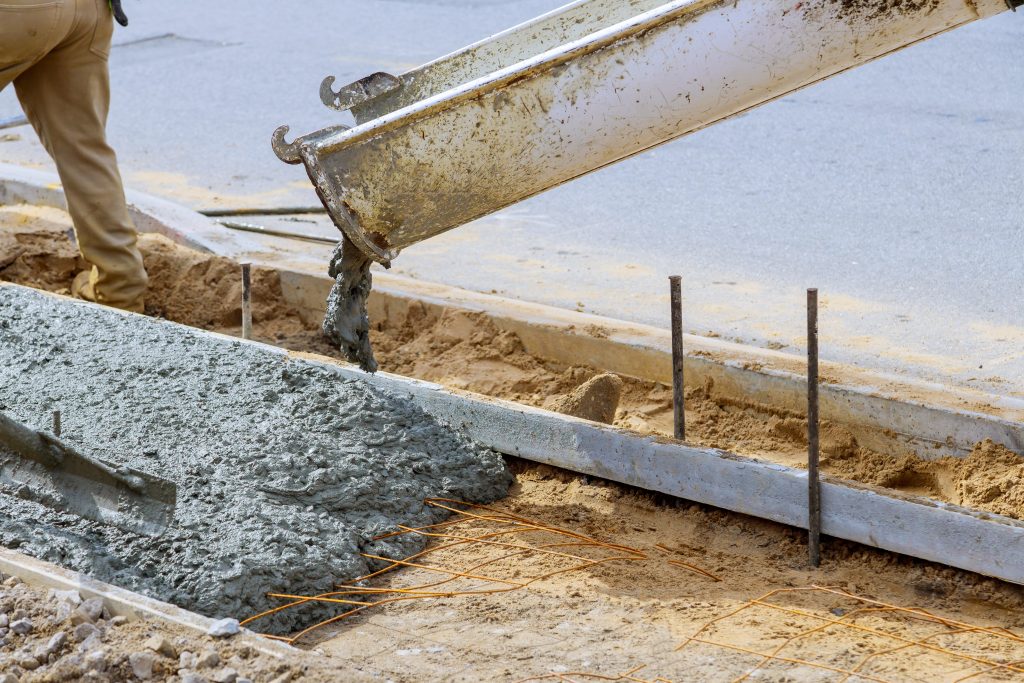
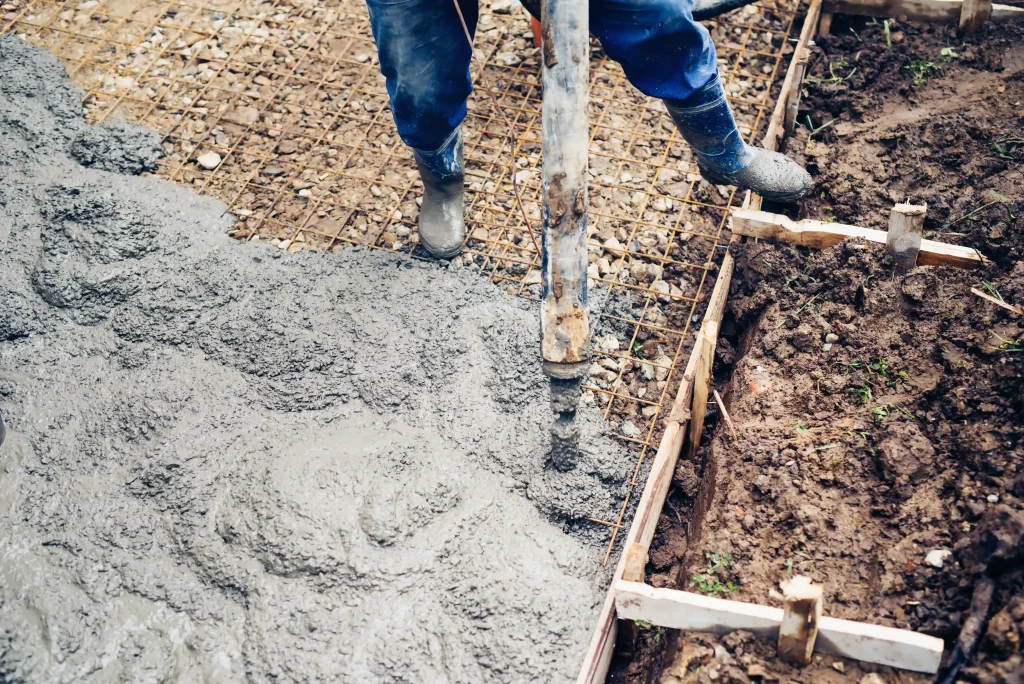
When placing the concrete, work quickly but methodically. Discharge directly into final position where possible, minimising handling that exposes more surface area to evaporation. Don’t spread concrete too thin ahead of finishing—a thick layer retains moisture better than material spread across a large area waiting to be worked.
Strike off and bull float immediately after placement. Getting the surface closed up reduces moisture loss during the vulnerable early period. However, avoid overworking the surface, which brings excess water to the top and creates a weak layer prone to later problems.
Get Your Quick Quote Today
Curing: The Critical Step Many Skip
Proper curing separates concrete that performs for decades from concrete that deteriorates within years. In hot weather, curing becomes absolutely critical.
The goal is simple: keep the surface moist while hydration continues. How you achieve this depends on the situation and your resources.
Water curing remains the gold standard. Covering the concrete with wet hessian, cotton mats, or similar absorbent material and keeping it damp provides sustained moisture. For slabs, ponding—creating shallow berms around the edges and flooding the surface with water—offers excellent results where practical.
Curing compounds provide an alternative when continuous wetting isn’t feasible. These liquid membranes spray onto the finished surface and form a film that reduces evaporation. Application timing matters—spray too early and you trap bleed water, too late and damage has already begun. Follow manufacturer guidance for the specific product.
Plastic sheeting offers a middle ground. Covering concrete with polythene traps moisture at the surface, maintaining the humid environment hydration requires. Ensure the sheeting contacts the concrete to prevent moisture simply evaporating into the air space beneath. Weight the edges and any joins to prevent wind lifting the cover.
Whichever method you choose, begin curing as soon as finishing operations allow. Every minute of delay extends the period of unprotected evaporation. In very hot conditions, consider applying an evaporation retarder—a spray-on film used between finishing passes—to bridge the gap before final curing begins.
Continue curing for at least seven days, longer for structural elements. Yes, this requires effort and attention. The alternative—replacing cracked, substandard concrete—requires considerably more.
The Advantage of Professionally Mixed Concrete
Consistent mix quality matters enormously when conditions are challenging. On-site mixing introduces variables at exactly the point you need reliability.
Batch-to-batch variation in aggregate moisture content, cement measurement, and mixing thoroughness creates concrete with inconsistent properties. Some batches might perform adequately while others fail. In hot weather, this inconsistency amplifies problems—a slightly wetter batch cracks differently than a drier one, leaving you with an unpredictable patchwork.
Pre mixed concrete London suppliers operate under controlled conditions. Computerised batching ensures precise proportions every time. Materials are stored properly, mix designs are proven, and quality testing confirms the concrete meets specification before it leaves the plant.
The logistics of professional supply also suit hot weather work. Concrete arrives ready to place immediately—no mixing time during which early batches sit and lose moisture while you prepare later ones. Larger volumes arrive in single deliveries, enabling continuous pours without the cold joints that form when fresh concrete meets partially set material.
Many contractors across the capital rely on ready mix concrete London suppliers specifically because summer work demands this consistency. When you’re already managing challenging conditions, removing variables from the equation makes success more achievable.
When to Call in Professional Help
Some projects genuinely benefit from professional contractors rather than DIY effort. Large slabs, structural foundations, and decorative finishes all demand skills and speed that take years to develop. Hot weather raises the stakes—mistakes happen faster and become permanent more quickly.
If you’re uncertain about managing a pour in challenging conditions, consulting experienced concreters isn’t an admission of defeat. It’s sensible project management that protects your investment in materials and time.
Getting It Right This Summer
Hot weather concrete work requires respect for the conditions, not fear of them. Thousands of successful pours happen across London every summer. The difference between those and the cracked disappointments comes down to preparation, timing, proper curing, and quality materials.
Planning a concrete project this summer? Express Concrete supplies ready mix concrete across London with expert guidance on specification, quantity, and timing. Contact our team to discuss your requirements and ensure your pour succeeds whatever the weather brings.