 One of the most important decisions in any concrete project is choosing between ready mix concrete and site mixed concrete. This choice affects everything from your project costs and timeline to the final quality and long-term durability. Whether you’re building a garden path or a commercial development, understanding these two options helps you make the right decision for your specific needs.
What Is Ready Mix Concrete?
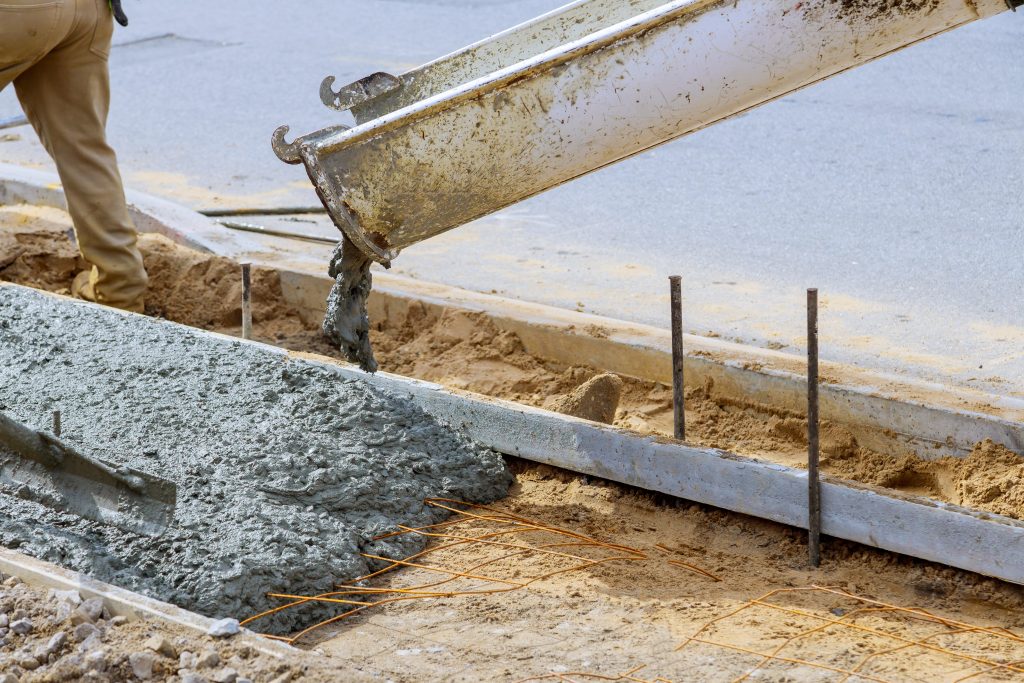
Ready mix concrete is manufactured at a specialised batching plant using computerised systems that precisely measure and combine cement, aggregates, water, and additives. The concrete is mixed in rotating drum trucks during transport and arrives at your site ready for immediate placement.
This industrial approach ensures consistent quality and eliminates the need for on-site mixing equipment and materials storage. The process involves strict quality control measures, including regular testing of raw materials, calibration of batching equipment, and monitoring of mix designs to meet specific strength and performance requirements. Professional suppliers maintain detailed records of each batch, providing traceability and quality assurance that’s difficult to achieve with on-site mixing.
What Is Site Mixed Concrete?
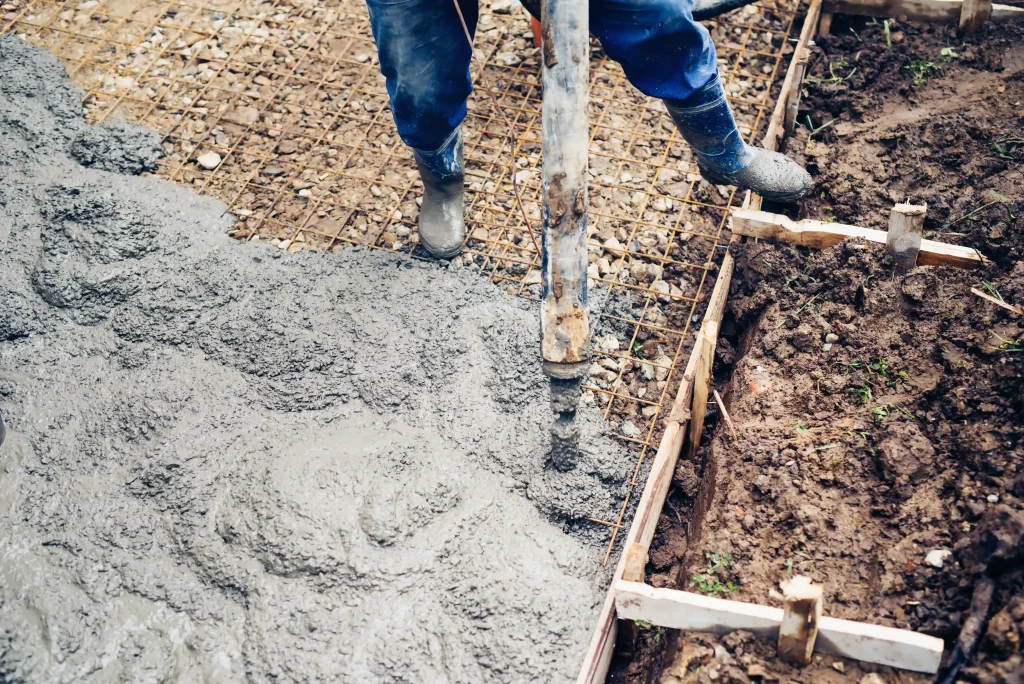
Site-mixed concrete involves bringing dry materials (cement, sand, gravel) and water to your project location and combining them using portable mixers, stationary mixers, or even hand mixing for small quantities. This traditional method gives you complete control over the mixing process and timing, allowing for adjustments as work progresses.
Modern on-site mixing can range from small portable mixers suitable for minor projects to sophisticated mobile batching plants that can produce substantial quantities of concrete with quality approaching that of ready-mixed suppliers.
Quality and Consistency
Ready Mix Concrete Quality
Ready mix concrete offers superior consistency and quality control through several key factors:
Precision Batching: Computer-controlled systems measure materials to within 1-2% accuracy, far exceeding what’s achievable through manual batching. This precision directly translates to consistent strength and durability characteristics. A variation of just 0.1 in the water-cement ratio can result in strength differences of 15-20%.
Professional Mix Design: Suppliers employ qualified technicians who design mixes to meet specific performance criteria, considering factors like exposure conditions, required strength, workability, and durability requirements.
Quality Assurance: Regular testing of materials and finished concrete ensures compliance with British Standards (BS EN 206). Ready mixed concrete suppliers maintain rigorous quality control over raw materials that simply isn’t feasible for hand-mixing operations. At Express Concrete, our accreditations demonstrate our commitment to quality standards.
Controlled Environment: Materials are stored in controlled conditions, protecting them from contamination and moisture that can affect concrete performance.
Uniform Strength: Every cubic metre is exactly the same. Batching plants use computer-controlled systems that measure each component precisely, resulting in uniform strength and appearance throughout your entire pour. Properly produced ready mix concrete can be up to 40% stronger than site-mixed concrete.
Site Mixed Concrete Quality
Site mixed concrete quality depends heavily on operator skill, equipment condition, and site conditions:
Variable Results: Manual measurement of materials often leads to batch-to-batch variations that can affect final strength and appearance. Even experienced operators find it challenging to maintain consistent water-cement ratios.
Material Quality: On-site storage of materials exposes them to weather conditions that can affect their properties. Wet sand, contaminated aggregates, or degraded cement can compromise concrete quality. Sand moisture content, aggregate cleanliness, and cement storage conditions all affect final concrete quality.
Limited Testing: On-site projects rarely have access to the testing facilities available to ready mixed suppliers, making it difficult to verify concrete quality before placement.
Inconsistent Mixing: Hand mixing often leads to strength variations. Even distribution of aggregates is nearly impossible to achieve with a small site mixer, resulting in some stones not being properly coated with cement paste.
Time Efficiency and Scheduling
Ready Mix Concrete Time Savings
Ready mix concrete offers significant advantages in time efficiency:
Eliminates Mixing Time: Consider a typical project requiring 5 cubic metres of concrete. Using hand-mixing or small mechanical mixers, this quantity would require approximately 100-125 individual mixer loads (using a standard 180-litre mixer). This process alone could consume 8-12 hours of labour time, not including material handling and preparation. Ready mix concrete eliminates this entire process, delivering the same quantity in a single delivery that can be placed immediately upon arrival.
Streamlined Delivery Logistics: You streamline delivery logistics, ensuring concrete arrives precisely when needed. This method minimises delays, aligning closely with project timelines. Pre-scheduled deliveries of ready mix concrete ensure a continuous supply, aligning seamlessly with the construction schedule.
Continuous Pours: Ready mix concrete enables continuous pours that are simply impossible with on-site mixing. Large areas can be placed without cold joints, eliminating the need for joint preparation, treatment, and potential rework. This continuous placement prevents cold joints and ensures structural integrity.
Reduced Material Handling: Traditional concrete mixing requires multiple material handling operations: unloading bags or bulk materials, storing them appropriately, measuring quantities for each batch, loading mixers, and managing leftover materials. Ready mix concrete reduces material handling to a single operation, typically reducing material handling time by 80-90%.
Labour Reallocation: Instead of having experienced tradespeople mixing concrete, they can focus on higher-value activities like formwork preparation, reinforcement placement, and finishing work.
A medium-sized foundation that might take two days to pour using site-mixed concrete can usually be completed in a single morning with ready mix. On average, customers report that using ready mix can reduce concrete preparation time by up to 70%.
Site Mixed Concrete Timing Considerations
Site mixed concrete requires time for:
- Setting up mixing equipment
- Measuring and loading materials for each batch
- Cleaning equipment between batches
- Managing material storage and handling
- Dealing with potential equipment breakdowns
Site-mixed concrete often results in unpredictable delays due to varied mixing times and potential equipment issues, making it harder to adhere to project deadlines.
Flexibility and Customisation
Ready Mix Concrete Customisation
Ready mix concrete offers extensive customisation options:
Specialised Mix Designs: Suppliers can provide customised concrete mixes tailored to specific applications, including high-strength concrete, waterproof concrete, or mixes with specific working characteristics.
Professional Adjustments: Need concrete that sets quickly because rain is forecast? Building a water feature that needs waterproof concrete? Working in freezing conditions and worried about frost damage? Ready mix suppliers can add special admixtures to meet these specific requirements. Whether you’re working in Wembley or anywhere across the region, we can tailor mixes to your needs.
High-Performance Admixtures: These can enhance workability, control setting times, and improve resistance to environmental conditions.
Site Mixed Concrete Flexibility
Site mixed concrete offers unparalleled flexibility in mix design:
On-Site Adjustments: You can tailor custom formulations to meet specific project requirements, allowing precise control over ingredients. If unexpected changes arise, you can alter the proportions of cement, aggregates, and additives easily.
Immediate Adaptation: This adaptability is essential when dealing with unique environmental conditions or specialised structural demands. Site-mixed concrete provides adjustment capabilities that enable you to modify the mix on-site to align perfectly with project specifications.
Real-Time Control: You can adjust mix designs in real time according to specific project requirements and enhance properties like strength, workability, and setting time as needed.
Cost Comparison
Ready Mix Concrete Costs
For a typical 6m³ residential foundation, ready mix concrete costs typically include:
Base Price: £80-£120 per cubic metre, depending on the concrete strength you need.
Delivery Fee: Usually included in the base price, though remote locations may incur additional charges.
Total Estimated Cost: Approximately £480-£720 for 6 cubic metres.
For a detailed breakdown of costs, see our comprehensive guide on whether ready mix concrete is cheaper.
Hidden Savings:
- No equipment rental costs
- Reduced labour costs (eliminates on-site mixing labour)
- No material wastage
- Bulk purchasing advantages often result in lower unit costs
- Long-term savings through consistent quality, reducing the risk of structural issues and future repairs
Site Mixed Concrete Costs
For the same 6m³ project, site mixed costs include:
Materials:
- Cement bags: £200-£250
- Sand: £100-£150
- Aggregates: £100-£150
- Water: Minimal cost
Equipment Rental: £80-£150 for mixer rental (multiple days)
Labour Costs: Significantly higher due to extended mixing time (8-12 hours of labour)
Total Estimated Cost: Can range from £600-£900, with potential for 20-30% cost overruns due to:
- Material wastage and over-ordering
- Excess materials
- Mistakes requiring rework
- Clean-up and disposal costs
- Storage requirements
Project Suitability
When to Choose Ready Mix Concrete
Ready mix concrete excels in:
Urban Construction Projects: Where space is limited and efficiency is paramount. High-rise buildings, commercial developments, and infrastructure projects benefit significantly from the speed and reliability of ready mix delivery. Whether you need concrete in Barking, concrete in Erith, or anywhere across London, ready mix excels in urban environments.
Large Residential Developments: Including housing estates and apartment complexes that require consistent quality across multiple units.
Time-Sensitive Projects: Projects with tight deadlines particularly benefit from ready mixed concrete’s efficiency. The ability to schedule continuous deliveries enables large pours to be completed without interruption.
Quality-Critical Applications: Structural elements that require assured consistent quality, such as foundations, structural slabs, and load-bearing elements.
Projects Requiring Documentation: Building regulations require documentation proving concrete meets required specifications. Ready mix comes with this documentation, perfect for building control sign-offs and quality assurance.
When to Choose Site Mixed Concrete
Site mixed concrete works well for:
Remote Locations: Rural construction projects where delivery access is challenging or impossible, such as remote agricultural buildings, mountain retreats, and locations accessible only by narrow lanes.
Small Projects: Garden walls, pathways, minor repairs, and small residential projects where the quantities are too small to justify a ready mix delivery.
Phased Construction: Projects requiring frequent small batches over extended periods, such as landscaping projects, decorative concrete work, and phased construction.
Budget-Constrained Small Projects: Very small domestic projects where material costs are genuinely low and labour time is not a concern.
Site Access and Logistics
Ready Mix Concrete Requirements
Successful ready mixed concrete delivery requires:
Vehicle Access: Standard concrete trucks need adequate road width, turning space, and overhead clearance.
Proximity: Concrete trucks can typically reach within 30 metres of the placement location using chutes and extensions.
Ground Conditions: Soft ground or steep slopes may prevent truck access, requiring alternative delivery methods like concrete pumps.
Permits: Some locations require traffic management or delivery permits.
Site Mixed Concrete Requirements
On-site mixing involves different logistical considerations:
Material Storage: Requires weather protection for cement and adequate drainage for aggregates.
Equipment Access: Mixing equipment must reach work areas, though this is typically easier than truck access.
Water Supply: Reliable clean water source essential for consistent mixing.
Waste Management: Must plan for disposal of unused materials and equipment cleaning.
Environmental Impact
Ready Mix Concrete Environmental Benefits
Reduced Waste: Precise production minimises over or under-ordering. Ready mix is mixed exactly to your needs, reducing excess material.
Efficient Resource Use: Batching plants optimise material usage and can incorporate recycled materials such as fly ash or slag, reducing the need for virgin resources.
Lower Emissions: Centralised batching plants decrease carbon dioxide output by streamlining the production process and cutting down on the energy required to mix concrete on-site.
Reduced Transportation Impact: Delivering ready mix concrete from a local plant reduces the number of trips made to the construction site, cutting down on vehicle emissions.
Proper Disposal: Professional handling of washout water, which is highly alkaline and harmful to ecosystems if not disposed of properly. The Environment Agency recommends professional concrete services for better environmental compliance.
Site Mixed Concrete Environmental Concerns
Material Wastage: Often results in purchasing more materials than needed.
Washout Issues: Concrete washwater is highly alkaline and harmful to ecosystems if not disposed of properly.
Higher Per-Project Emissions: Multiple material deliveries and inefficient mixing processes can result in higher overall emissions.
Safety Considerations
Ready Mix Concrete Safety Advantages
Reduced Site Hazards: Ready mix is delivered directly to your location, eliminating the need for additional equipment such as mixers, which can clutter the workspace and create tripping hazards.
Worker Protection: Minimises worker exposure to dust and chemical burns by reducing manual handling of hazardous materials like cement, aggregates, and water on-site.
Less Site Congestion: Streamlined delivery process reduces the likelihood of slip-and-fall incidents and improves overall site safety.
Site Mixed Concrete Safety Concerns
When working with site mixed concrete, you need to consider:
- Appropriate protective gear (gloves, boots, eye protection)
- Awareness that fresh concrete can cause skin irritation
- Heavy physical labour and potential for injury
- Equipment operation risks
Making Your Decision
When deciding between ready mix and site mixed concrete, consider:
Project Scale: Large projects typically benefit from ready mixed concrete’s efficiency and quality control, whilst smaller projects may find site mixing more economical for very small quantities.
Timeline Pressure: Fixed completion dates or weather windows often favour ready mixed concrete.
Quality Requirements: Critical structural elements typically benefit from the consistent quality of ready mixed concrete. Learn more about what to consider when ordering ready mix concrete.
Site Access: Evaluate your location’s accessibility for delivery vehicles and consider storage space for raw materials if choosing site mixing.
Budget: Factor in all associated costs, not just material prices, including labour requirements, equipment costs, and potential delays. Remember that cheaper initial costs don’t always translate to better overall value.
Why Choose Express Concrete?
At Express Concrete, we’ve been supplying ready mix concrete to London since 1991. Our experienced professionals are dedicated to providing high-quality concrete for all types of projects, from small domestic jobs to large commercial developments. Learn more about our family-owned business.
Our Advantages:
- Network of plants across London, including our Barking plant, Erith plant, Wembley plant, and Chessington plant, ensures faster delivery and fresher concrete
- Metered concrete service allows you to pay only for what you use
- Understanding of London’s roads, traffic patterns, and access challenges
- Family-owned business committed to quality and customer service
- Third-party accredited for reliable, durable products
- Comprehensive technical support to help you select the perfect concrete mix
- Our promise to deliver on time, every time
Calculate Your Concrete Needs
To calculate how much ready mix concrete you need, multiply the length × width × depth (all in metres) of your area. For example, a path that’s 5 metres long, 1 metre wide, and 10 centimetres deep would need:
5 × 1 × 0.1 = 0.5 cubic metres of concrete
Not sure how much you need? Use our concrete calculator or contact our friendly team for help working out the right amount for your project.
Ready to Order?
Ordering from Express Concrete is straightforward:
- Contact us with your requirements
- We’ll provide you with a quote and recommend the right mix
- We’ll arrange delivery at a time that suits you
- Our team ensures your order is delivered on time and in perfect condition
Whether you’re working on foundations, driveways, patios, or commercial structures, choosing the right concrete mixing method can significantly impact your project’s success. For most projects in London and the surrounding areas, ready mix concrete offers the best combination of quality, efficiency, and value.
Contact Express Concrete today to discuss your project requirements and discover how our ready mix concrete solutions can help you achieve outstanding results.