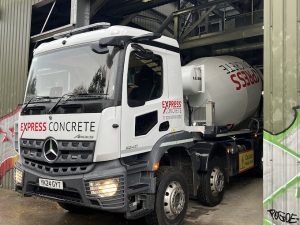
 When you consider the cost of ready mix concrete, you must factor in more than just the price of materials. The final cost is influenced by a complex mix of factors, from the quality of raw materials to the distance they travel, from labour market conditions to environmental regulations.
Understanding these factors helps you make informed decisions, plan better budgets, and potentially save money on your concrete projects. Let’s explore what drives ready mix concrete pricing and discover what elements might impact your project’s budget.
Material Quality and Availability
The foundation of concrete cost lies in its components: cement, aggregates, sand, and water. The quality and availability of these materials significantly impact your final price.
Cement, Aggregates, and Quality
Cement accounts for 40-60% of material costs. Different cement types carry different prices:
- Ordinary Portland Cement (OPC) – standard applications
- Rapid-hardening cement – fast-track projects (15-20% premium)
- Sulphate-resisting cement – exposed environments (10-15% premium)
Aggregates (crushed stone and gravel) make up 60-75% of concrete volume. According to The Concrete Centre’s guidance on aggregates, properly graded aggregates from quality-assured sources are essential for producing durable concrete. Whilst premium aggregates cost 10-15% more, they deliver better long-term performance.
At Express Concrete, we use only quality-assured cements that meet or exceed BS EN 197-1 standards.
Mix Design Specifications
The concrete mix design dramatically influences both cost and performance. Different projects require different specifications.
Strength Requirements
Concrete strength is measured in megapascals (MPa). Common grades include:
- C20/25 – light-duty domestic work, £100-£120/m³
- C25/30 – domestic foundations, £105-£125/m³
- C30/37 – structural applications, £110-£130/m³
- C35/45 – commercial structures, £120-£140/m³
- C40/50+ – heavy-duty industrial, £130-£160/m³
Higher strength grades require more cement and precise proportioning, increasing costs by 5-10% per grade increment.
Admixtures and Special Additives
Modern concrete often includes admixtures that enhance properties but add cost:
- Plasticisers/Superplasticisers (£5-£15/m³) – improve workability
- Accelerators (£8-£20/m³) – speed up setting time
- Retarders (£6-£15/m³) – slow setting time
- Waterproofers (£10-£25/m³) – create watertight concrete
- Air-Entraining Agents (£5-£12/m³) – improve freeze-thaw resistance
- Fibres (£8-£30/m³) – reduce cracking or increase toughness
Whilst these specifications increase upfront costs, they often provide better long-term value through enhanced performance and durability.
Transportation and Delivery Logistics
Transportation significantly affects ready mix concrete cost, and these costs vary considerably based on several factors.
Distance from Batching Plant
Delivery distance is one of the most significant cost variables. Express Concrete operates four strategically located plants across London to minimise delivery distances:
- Barking Plant – East London
- Erith Plant – Southeast London
- Wembley Plant – Northwest London
- Chessington Plant – Southwest London
Local deliveries (0-10 miles) typically cost £80-£120, whilst extended deliveries carry additional charges of £10-£20 per additional 5 miles. Concrete begins setting within 90-120 minutes of mixing, so longer distances increase the risk of reduced workability.
Traffic and Access Conditions
London traffic affects both costs and scheduling:
- Congestion charges for Central London deliveries (£15/day)
- Peak-hour deliveries may cost more
- Weekend deliveries often carry premiums (£50-£100 extra)
- Difficult access requiring pumps adds £200-£400
If our standard trucks can’t access your site, alternatives include smaller volumetric mixers (higher per-cubic-metre cost), concrete pump hire, or wheelbarrowing (additional labour cost).
Delivery Timing
When you want concrete delivered affects cost:
- Standard hours (7am-5pm, Monday-Friday): Standard pricing
- Extended hours or Saturdays: £30-£100 premium
- Sundays and bank holidays: £100-£250 extra
- Rush orders: Premium rates when available
Planning ahead and scheduling during standard hours saves money. We recommend booking at least 2-3 days in advance for best pricing.
Production Efficiency and Quality Control
Our computer-controlled batching plants deliver exact material measurements (±1% accuracy), consistent quality, and reduced material waste by 15-25%. Digital batch records provide full traceability essential for Building Control approval.
Rigorous quality control includes aggregate grading tests, cement verification, fresh concrete testing, and compressive strength testing. Maintaining QSRMC accreditation ensures reliability and reduces risk for your project.
Labour Costs and Market Dynamics
Labour expenses significantly influence pricing. Current UK labour costs range from £25,000-£45,000 annually for skilled workers. Costs fluctuate with seasonal demand (summer overtime at 1.5x-2x rates), HGV driver shortages, and training investments.
Local Supply and Demand
Market economics play a significant role in concrete pricing.
Seasonal Demand Variations
Construction activity follows predictable seasonal patterns:
- Peak season (April-October): 10-15% higher prices, longer lead times
- Off-peak season (November-March): More competitive pricing, better availability
Winter weather reduces construction activity, potentially lowering demand and prices. However, winter deliveries may require admixtures that offset some savings.
Project Size and Volume
Order quantity significantly affects per-cubic-metre pricing:
- Bulk orders (20m³+): Better rates (5-15% discount)
- Standard orders (2-10m³): Standard pricing
- Small orders (minimum 1m³): Higher per-cubic-metre cost
Larger projects benefit from economies of scale. Coordinating multiple pours or combining with neighbouring projects can reduce per-cubic-metre costs.
Environmental Regulations
Environmental requirements impact production costs but ensure sustainable operation. Batching plants must comply with dust suppression, wash-out water treatment, noise control, and waste management regulations. The industry is investing in lower-carbon cements, energy-efficient equipment, and optimised logistics to reduce environmental impact.
How These Factors Interact
Understanding individual cost factors is important, but recognising how they interact provides deeper insight.
Optimal vs Challenging Scenarios
Optimal scenario:
- Project near batching plant (low delivery cost)
- Scheduled during off-peak season (better pricing)
- Standard mix specification (no premiums)
- Booked in advance (no rush charges)
- Good site access (no pump required)
- Result: 15-25% savings
Challenging scenario:
- Remote location (high delivery cost)
- Peak summer demand (premium pricing)
- Specialised mix (added costs)
- Rush order with difficult access
- Weekend delivery
- Result: 30-50% higher costs
Volume and Specification Trade-Offs
Sometimes adjusting specifications can optimise costs. For example, if C35/45 is specified but C30/37 would suffice, you save £10-£20/m³. For 50m³, that’s £500-£1,000 in total savings. Always discuss specifications with our technical team to find alternatives that meet your needs at lower cost without compromising quality.
The Concrete Society’s guidance on durability design recommends specifying concrete based on service life requirements rather than minimum initial cost. This approach often delivers better overall value.
Cost Optimisation Strategies
Understanding cost factors enables smart decisions that reduce expenses whilst maintaining quality.
Planning and Scheduling
Strategic timing saves money:
- Book 2-3 days ahead for standard pricing
- Consider off-peak season for major pours (10-15% cheaper)
- Combine multiple small pours into larger orders
- Coordinate with neighbours if possible
Specification Review
Work with suppliers to optimise specifications:
- Don’t over-specify concrete strength
- Use only necessary admixtures
- Consider partial cement replacement with SCMs
- Standard slump is often adequate
Site Preparation
Good site preparation reduces delivery costs:
- Clear and level delivery area
- Remove access obstacles
- Have adequate labour ready
- Prepare formwork completely
Conclusion
Ready mix concrete pricing is influenced by numerous interconnected factors including material quality, mix design specifications, delivery logistics, production efficiency, labour costs, market dynamics, and environmental compliance.
Understanding these factors helps you make informed decisions, plan budgets accurately, identify cost-saving opportunities, avoid unnecessary expenses, and ensure appropriate specifications.
When evaluating ready mix concrete costs, consider total project cost, quality requirements, long-term value, supplier reliability, technical support, and environmental responsibility.
Express Concrete provides transparent pricing, expert advice, and reliable service. Our team can help you optimise specifications, plan efficient deliveries, and ensure your concrete project succeeds whilst managing costs effectively.
Ready to Discuss Your Project?
Contact Express Concrete for a detailed quote tailored to your specific requirements. With over 30 years of experience serving London, we understand local conditions, requirements, and how to optimise concrete specifications for your needs. Our promise is competitive pricing, quality products, and professional service.